


Clean Composting: Healthier Dirt (Sans The Yard Stench)


Traditional composting has always sounded a little bit like joining a cult.
Not in a bad way. Just in a “you now own three bins and casually discuss decomposition at brunch” kind of way.
For years, gardening culture has pushed the idea that if you really care about sustainability, you should be out in the backyard rotating a compost pile, monitoring moisture levels, and understanding phrases like “carbon-to-nitrogen ratio” without needing to quietly Google them first. Meanwhile, most of us are just trying to keep basil alive on a patio and stop forgetting about spinach until it becomes biologically concerning.
Which is why I’ve become deeply interested in what I’ve started calling clean composting — the low-maintenance, apartment-friendly, zero-stink version of enriching your soil using kitchen scraps and natural materials that don’t require an entire decomposing ecosystem living outside your house.
No rot bucket.No fruit fly civilization.No accidental swamp energy.
Just healthier dirt.
And honestly? It makes gardening feel dramatically more realistic for normal people.
What Is Clean Composting?
Instead of creating traditional compost in a separate pile or bin, clean composting is simply the practice of adding small amounts of dry or stable organic material directly into your existing potting mix or raised bed soil over time.
Think of it less like “composting” and more like seasoning your soil.
You’re not trying to create giant batches of finished compost. You’re just steadily enriching your dirt with natural materials that contain nutrients, minerals, and organic matter plants actually benefit from.
The key difference is that these ingredients are:
dry
low-odor
easy to store
easy to use
unlikely to become horrifying
Which, frankly, already makes this method more emotionally accessible.
What You Can Add to Clean Compost
Here’s where this gets surprisingly easy.
Easy Clean Compost Ingredients
Ingredient | Why Plants Like It | Best For |
Ground eggshells | Adds calcium | Tomatoes, peppers |
Used coffee grounds | Organic matter + mild nitrogen | Herbs, leafy greens |
Dried citrus peels | Slow organic enrichment | Containers, raised beds |
Tea leaves/tea bags | Gentle nutrients | Flower beds, herbs |
Cinnamon | Natural antifungal | Seedlings |
Crushed dried leaves | Improves soil texture | Garden beds |
Banana peel powder | Potassium boost | Flowering plants |
Worm castings | Microbial support | Basically everything |
The important thing is moderation. You’re enhancing your soil, not replacing it with breakfast scraps.
Your tomato plant does not need an entire omelet.

The Eggshell Situation
If you’re throwing eggshells away, your tomatoes would like a word.
Eggshells are rich in calcium, which helps support healthy plant growth and can help prevent blossom end rot — otherwise known as the gardening equivalent of raising a child for four months only for it to emotionally collapse right before graduation.
The trick is grinding them first. A coffee grinder works beautifully, and the finer the powder, the easier it is for your soil to actually access the calcium over time.
There’s also something weirdly satisfying about realizing your breakfast leftovers are now technically garden supplies.
Circular economy queen behavior.
Coffee Grounds: The Overachiever of Kitchen Scraps
Gardeners love coffee grounds with the intensity of people who own multiple reusable produce bags and have very strong opinions about olive oil.
But honestly? Fair.
Used coffee grounds add organic matter, improve soil texture, and contribute small amounts of nitrogen and minerals. Worms love them. Soil microbes love them. Plants generally seem thrilled by the arrangement.
The internet occasionally gets dramatic and acts like coffee grounds are either magical fertilizer or instant plant murder depending on which gardening forum you accidentally wandered into at 2 a.m. The truth is much less exciting: small amounts mixed into soil work wonderfully.
Dumping an entire week’s worth of espresso sludge directly onto one basil plant, however, is less wonderful.
Balance.
Citrus Peels Are Weirdly Luxurious
Drying orange peels specifically to make your dirt healthier feels like the exact kind of hobby people in Nancy Meyers movies accidentally have.
And honestly? I support it.
Dried citrus peels break down slowly, add organic matter, and make your kitchen smell significantly better than most gardening projects typically do. Once dried and crushed into flakes or powder, they’re incredibly easy to sprinkle into raised beds or container soil.
Plus, this is where clean composting starts becoming unexpectedly satisfying. Your coffee grounds become future tomatoes. Eggshells become calcium for peppers. Orange peels become fancy citrus garden dust.
Suddenly your kitchen scraps stop feeling like garbage and start feeling like ingredients.
The "Smoothie Water" Method
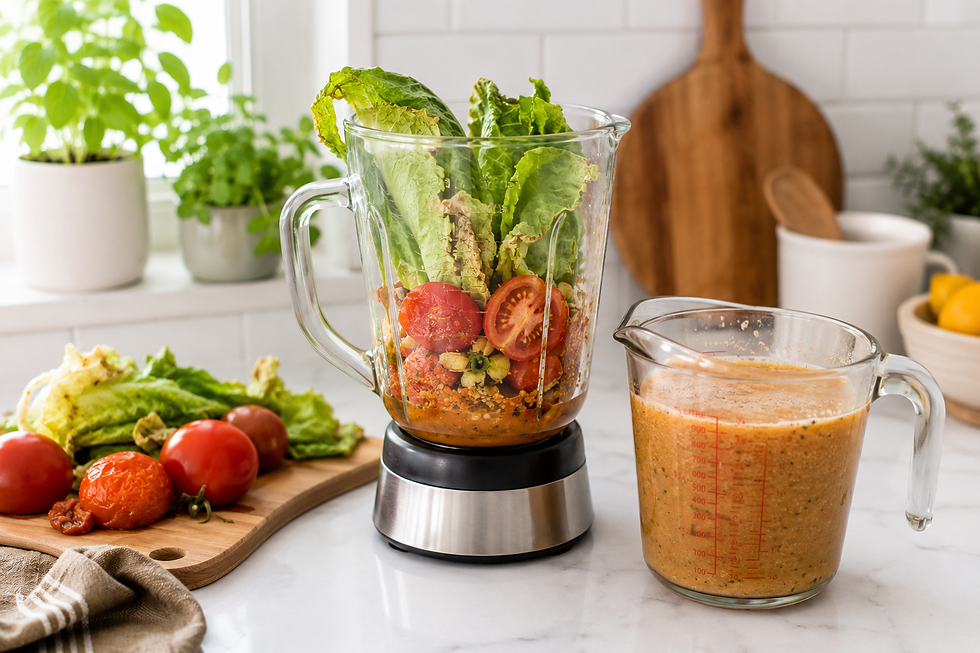
Now for the produce that has crossed the line from:
“I’m definitely going to use this tomorrow”
…into:
“absolutely not.”
If clean composting is the dry, organized side of soil enrichment, smoothie water is its slightly chaotic cousin.
This is what I started doing with softer produce scraps that were too far gone to eat but not actively terrifying:
spinach on its emotional last leg
wrinkly peppers
soft strawberries
forgotten herbs
lonely cucumber halves
tomatoes that suddenly became soup-adjacent
Instead of throwing them away, you can blend small amounts with lots of water and pour a little into garden beds or larger planters.
The key phrase here is:
a little.
We are not making gazpacho for the tomatoes.
This works best as an occasional, heavily diluted nutrient rinse for active soil. You also want to avoid anything oily, salty, heavily seasoned, or genuinely questionable. But simple fruit and vegetable scraps in moderation can help feed soil microbes while reducing food waste at the same time.
Mostly, though, it just feels weirdly good.
Your expired spinach becomes basil fuel. Your sad strawberries become future tomatoes. Your garden basically becomes the final form of your produce drawer.
Why People Are Quietly Moving Away From Traditional Composting
I think the real reason clean composting feels appealing is because it actually fits modern life.
Traditional composting can absolutely be amazing if you have:
outdoor space
time
patience
a willingness to occasionally deal with wet decomposition
But for apartment gardeners, patio gardeners, busy people, and anyone with limited space, it often feels like sustainability with homework attached.
Clean composting removes most of the friction.
You can keep:
a jar of coffee grounds
a container of eggshell powder
dried citrus peels in a glass jar
…and sprinkle small amounts into your planters every couple weeks without changing your entire personality.
No rotating barrels.No giant bins.No suspicious smells drifting across the patio.
Just tiny, manageable habits that quietly improve your soil over time.
My Favorite Products for Clean Composting
This is honestly one of the easiest gardening systems to set up because you only need a few basics.
Kitchen & Prep Wish List
The Real Appeal of Clean Composting
What I love most about this idea is that it turns sustainability into something practical instead of performative.
It’s not about becoming fully self-sufficient or pretending you’re one sourdough starter away from living off-grid. It’s just about paying a little more attention to the systems you already interact with every day.
Your coffee becomes part of your garden.Your kitchen scraps become healthier soil.Your tiny patio starts producing herbs.
And suddenly gardening feels less like a hobby reserved for people with acreage and more like a realistic life skill that fits into actual modern routines.
Which, honestly, might be the whole point.


